Who is Stan Lee
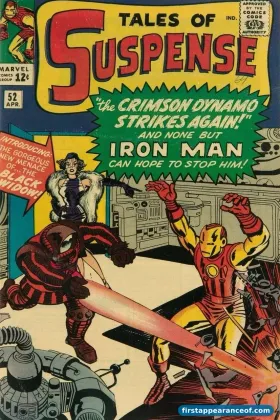
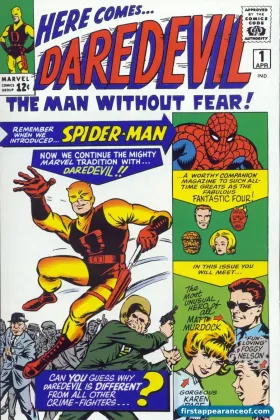
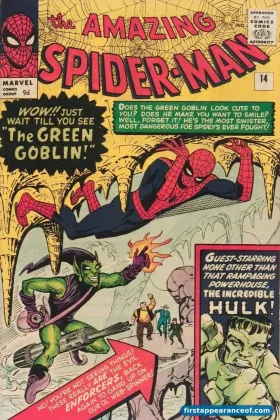
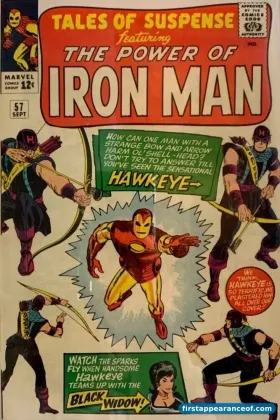
Stan Lee is the most recognizable name in American comics, and this archive shows why: he is credited on more first appearances here than anyone except Jack Kirby. Born Stanley Martin Lieber in 1922, he spent the 1960s co-creating, with Kirby and Steve Ditko, the run of characters that became the Marvel Universe: Spider-Man, the Fantastic Four, the X-Men, and dozens more. He died in 2018 as the public face of the medium.
His role was writer and editor, never artist. What Lee brought was the dialogue, the characterization, and the editorial voice that tied Marvel’s books into a single shared world, plus a genius for promotion that made him, and Marvel, famous. The exact division of credit between Lee and his artist collaborators is one of the genuine ongoing debates in comics history, and it matters: Kirby and Ditko’s plotting and design were central to the characters Lee is best known for.
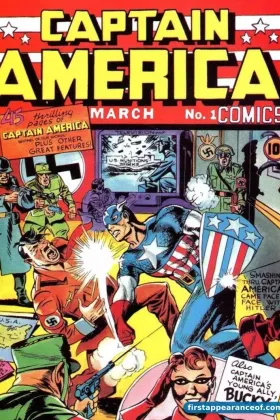
First comic work: Captain America Comics #3
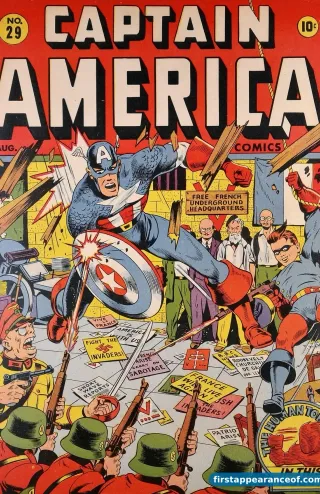
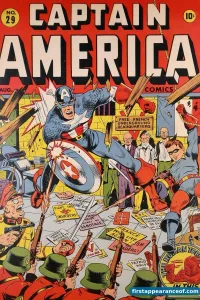
Lee's first published work isn't a comic at all; it's prose. Captain America Comics #3, cover-dated May 1941, carries a two-page text filler titled "Captain America Foils the Traitor's Revenge." Publishers ran short text stories like it to qualify for cheaper magazine postal rates; they were filler nobody expected anyone to remember.The teenage Stanley Lieber signed it “Stan Lee,” splitting his name in two so he could keep the real one for the serious novels he assumed he’d write someday. The pen name became the legal name. The filler also slipped in one lasting idea: Captain America bouncing his shield off an enemy and catching it on the return, the ricocheting throw that’s been part of the character ever since.
The Marvel Age, with Jack Kirby
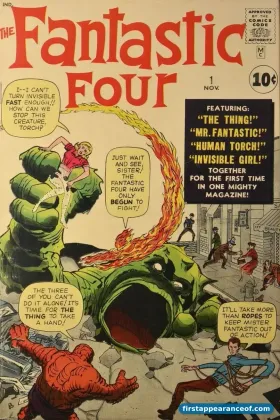
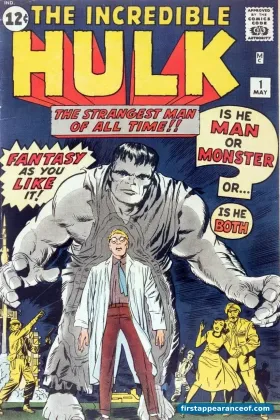
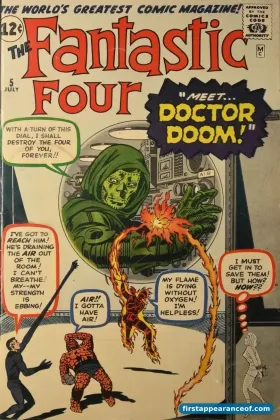
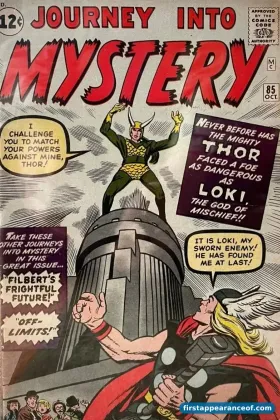
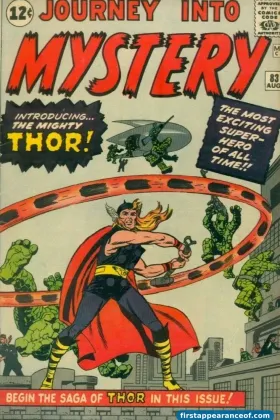
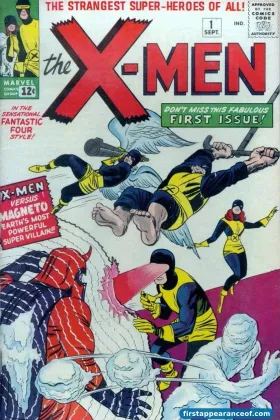
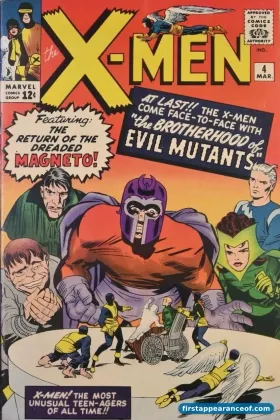
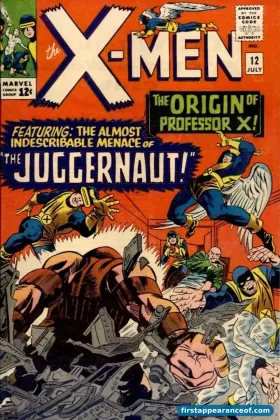
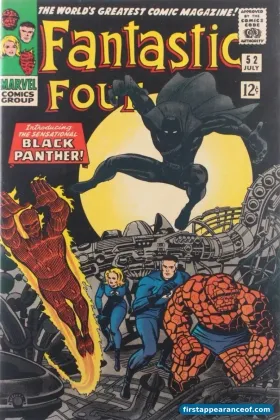
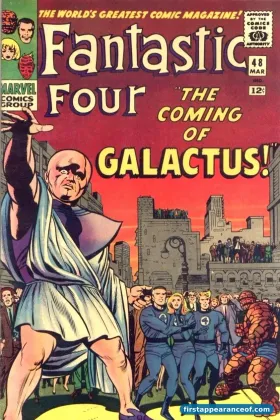
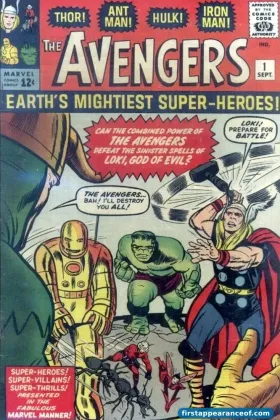
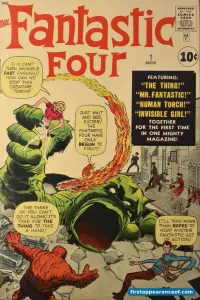
Two decades later, with Marvel's superhero line stagnant, Lee and [Jack Kirby](/creators/jack-kirby/) launched [Fantastic Four](/groups/fantastic-four/) #1 (November 1961) and started the Marvel Age of Comics. The partnership produced an extraordinary run over the following decade: the Hulk, the [X-Men](/groups/x-men/), the [Avengers](/groups/avengers/), Thor, Black Panther, the Silver Surfer, and Galactus.The working method (Kirby plotting and drawing from a loose premise, Lee scripting dialogue over the finished pages) is exactly why the credit question is hard, and why modern Marvel lists these as Lee-Kirby co-creations rather than Lee creations.
Spider-Man and Doctor Strange, with Steve Ditko
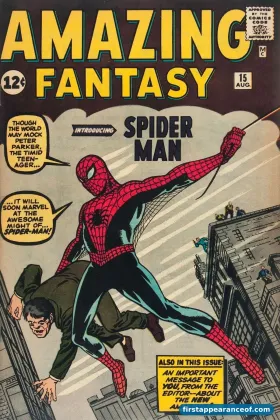
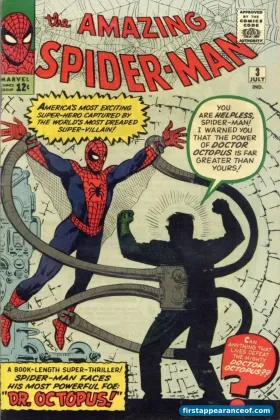
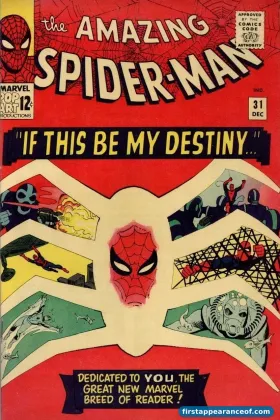
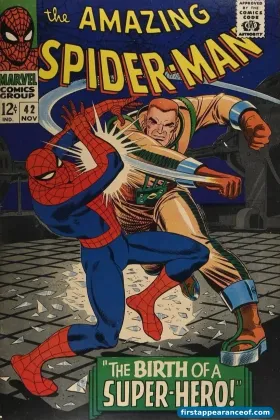
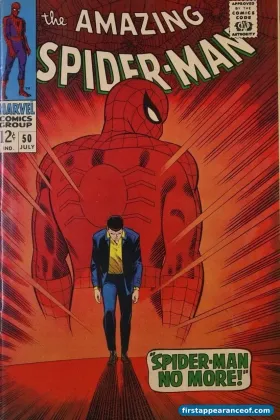
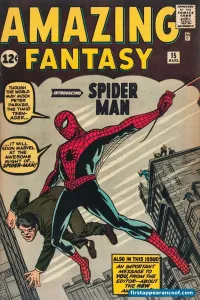
Lee's other defining partnership was with Steve Ditko. Together they co-created Spider-Man in Amazing Fantasy #15 (August 1962), a character Lee fought to publish, slotted into a cancelled anthology's final issue, who went on to become Marvel's signature character and anchor its best-selling title. Amazing Fantasy #15 is now the most valuable Silver Age comic by auction record. The same partnership produced Doctor Strange.Ditko’s contribution to Spider-Man (the costume, the visual style, much of the plotting in the later issues) was large enough that he is a full co-creator, and the disputes over credit eventually contributed to his departure from Marvel.
Stan Lee’s Impact on Comics
Lee’s importance is not the same as Kirby’s or Ditko’s. They built the visual and structural language of the Marvel character; Lee built its voice and its audience. He gave the books a consistent narrating personality, addressed readers directly in his columns, signed his name to everything, and spent fifty years selling comics to the wider culture. By the time of his cameo-studded final years in the Marvel films, he was the one creator the general public could name.
That fame is also the source of the lasting argument about him: the front-man role meant Lee often received sole credit the collaborative method doesn’t support. Both things are true at once. He was a genuine co-creator of the modern Marvel Universe and its greatest promoter, and his collaborators deserve more of the credit than the “Stan Lee created” shorthand ever gave them.