Who is Jack Kirby
Jack Kirby is the most prolific co-creator in superhero comics, and this archive shows it directly: he is credited on more first appearances here than anyone else. Born Jacob Kurtzberg in 1917, he co-created Captain America with Joe Simon in 1941, co-created the Fantastic Four and most of the early Marvel Universe with Stan Lee in the 1960s, and built DC’s Fourth World, including Darkseid and the New Gods, on his own in 1971. The nickname “The King” is not hype; the visual grammar of the superhero comic is largely his invention.
His professional career starts before comic books existed as a stable form. Kirby drew newspaper-syndicate strips and panel cartoons for Lincoln Newspaper Features beginning in 1936, often under pen names. When the comic-book industry took off, he moved into it through the Eisner-Iger packaging studio.
First comic-book work: Jumbo Comics #1
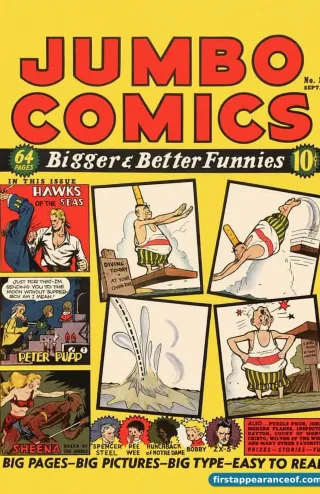
Kirby's first comic-book work appears in Jumbo Comics #1 (1938), the Fiction House anthology packaged by Eisner-Iger. He drew the "Wilton of the West" feature; the era's house practice was to run such strips under shared pen names that disguised how few hands were doing the work. The art is early and unmistakably pre-Kirby in polish; the explosive style he became known for was still a decade away.The 1938 date marks the comic-book debut, not the start of his career. He had already spent two years on syndicate strips. That gap matters for understanding him: by the time he co-created Captain America he was a seasoned commercial artist, not a newcomer.
Captain America, with Joe Simon
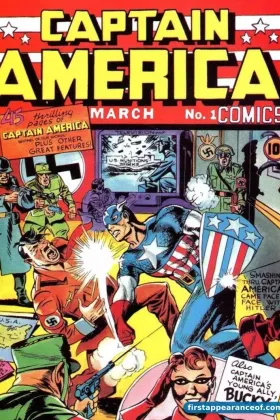
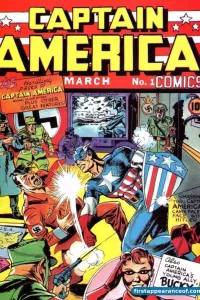
Captain America Comics #1, cover-dated March 1941, is the first Simon & Kirby landmark. Kirby and Joe Simon co-created Captain America, and the debut put a patriotic hero punching Hitler on newsstands roughly nine months before Pearl Harbor. It sold out, the second issue printed over a million copies, and Simon & Kirby became the most bankable creative team in the business.The Marvel Age, with Stan Lee
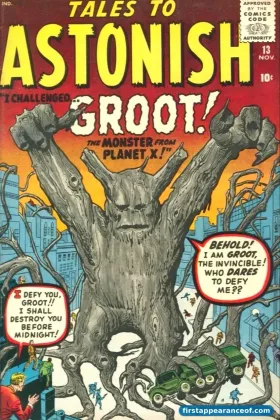
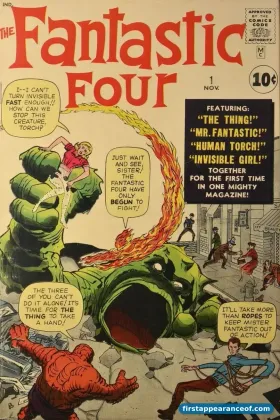
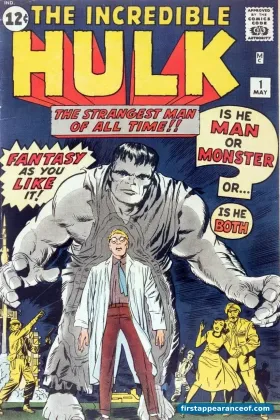
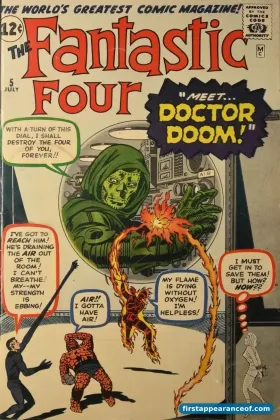
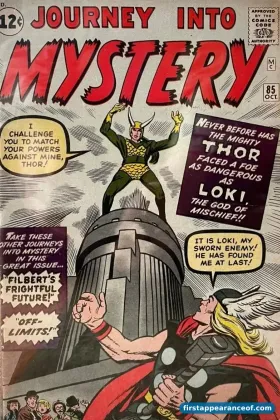
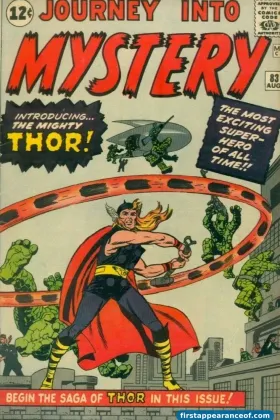
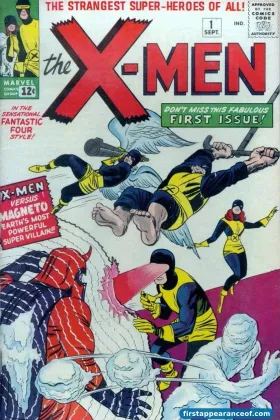
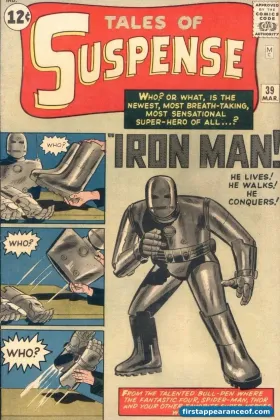
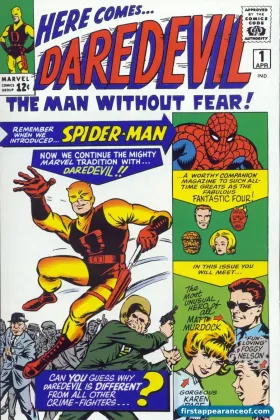
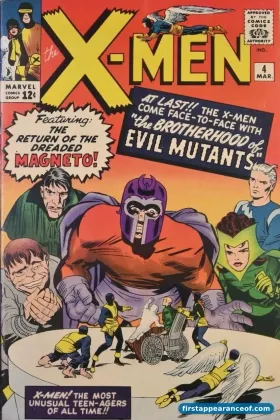
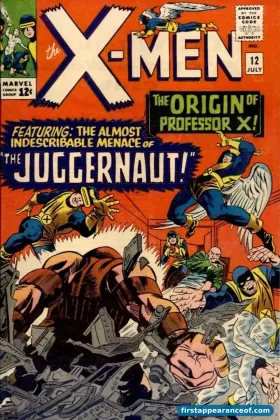
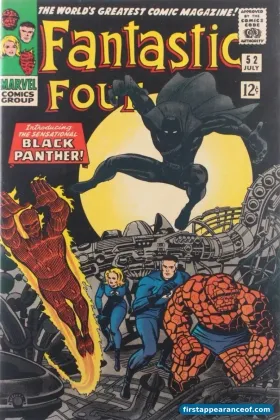
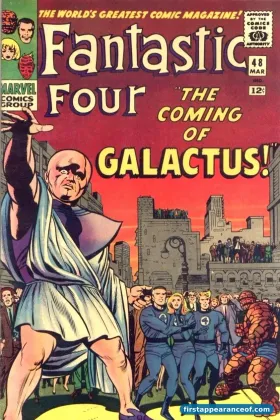
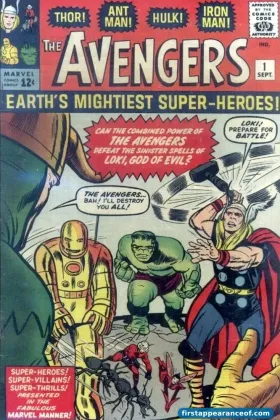
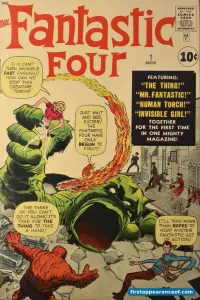
[Fantastic Four](/groups/fantastic-four/) #1, cover-dated November 1961, launched the Marvel Age of Comics. Over the following decade the Lee-Kirby partnership produced an extraordinary run of debuts: the Hulk, the [X-Men](/groups/x-men/), the [Avengers](/groups/avengers/), Thor, Iron Man's look, Black Panther, the Silver Surfer, and Galactus. The working method (Kirby plotting and drawing from a brief premise, Stan Lee scripting dialogue over the finished pages) is why the credit question is genuinely complicated, and why modern Marvel lists these as Lee-Kirby co-creations.The “Credited firsts” list below is mostly this period. Almost every foundational Marvel character traces back to a page Kirby drew.
The Fourth World at DC
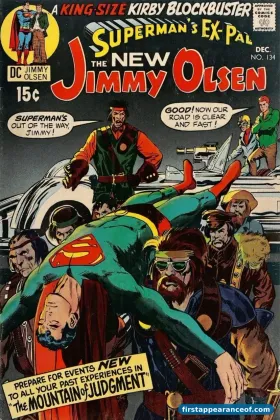
Kirby left Marvel for DC in 1970 and did the thing the Marvel method never let him do: write and draw his own creation, top to bottom. The Fourth World saga, New Gods #1 (February 1971), plus Mister Miracle and the Forever People, introduced Darkseid and a complete cosmology of warring gods. The line was cancelled before Kirby could finish it, a commercial disappointment that has since become one of DC's most-mined mythologies, central to decades of crossovers and the modern Justice League films.Jack Kirby’s Impact on Comics
Kirby’s importance goes well past the character count, though the count alone is staggering. He standardized how a superhero comic looks and moves: the foreshortened punch, the splash-page reveal, the crackling energy fields collectors call “Kirby Krackle.” The creators who came after him (McFarlane, the Image founders, nearly everyone drawing capes today) are working in a visual language he built. For collectors, his fingerprints are a value signal: a Kirby debut is usually the key issue of whatever it launched.