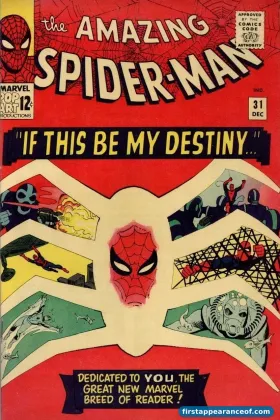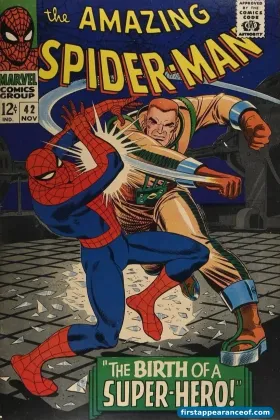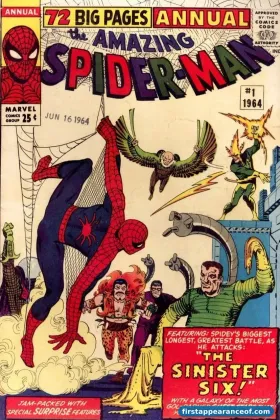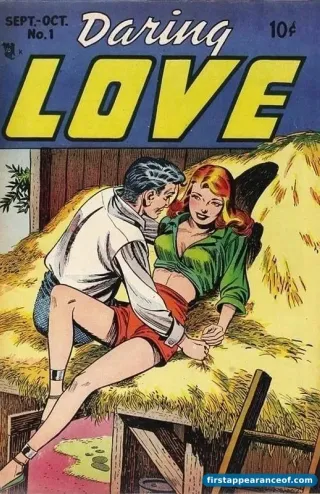
Daring Love #1 (1953), Gillmor Magazines. The romance anthology carrying Steve Ditko's first published comic-book story, the six-page 'Paper Romance.'

1st Comic Work

First Appearance of Steve Ditko

Daring Love #1

October 1953 · Marvel

The artist who co-created Spider-Man and Doctor Strange with Stan Lee, designed their entire visual worlds, then walked away from Marvel at the height of his fame.

By Atomm Updated

Marvel Comics Artist Penciller Writer Active 1953–2018 Spider-Man's co-creator and designer.

Steve Ditko's first comic work is 'Paper Romance' in Daring Love #1 (October 1953), a romance short for Gillmor Magazines. Born in 1927, he co-created Spider-Man with Stan Lee in Amazing Fantasy #15 (1962), designing the character and drawing the first 38 issues, and co-created Doctor Strange (1963). He left Marvel in 1966 over creative and credit disputes, created the Question at Charlton, and worked independently until his death in 2018.

Firsts Timeline

  1. Daring Love #1 cover
    First Comic Work October 1953

    Daring Love #1

    By Steve Ditko

    Ditko's first published story, the six-page 'Paper Romance,' for Gillmor Magazines. He had broken into the field earlier that year; an SF story drawn for Stanmor, 'Stretching Things,' saw print slightly later in Fantastic Fears #5 (1954). Romance and horror anthologies, not superheroes, were where he learned the craft.

    Read the full breakdown
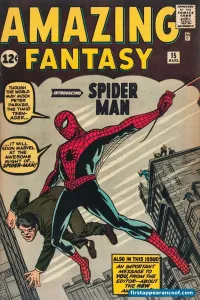
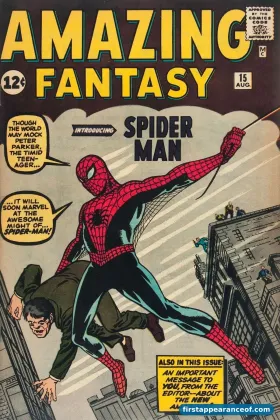
  2. Amazing Fantasy #15 cover
    Spider-Man August 1962

    Amazing Fantasy #15

    By Stan Lee, Steve Ditko

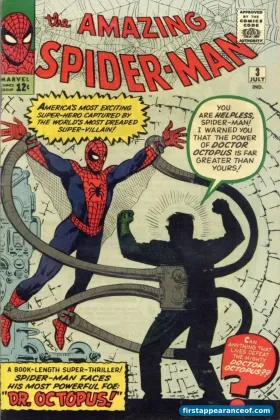
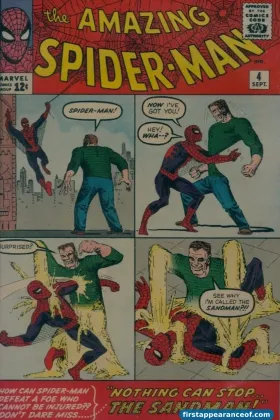
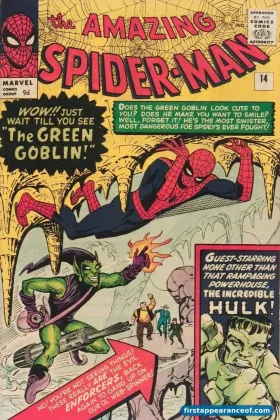
    Ditko co-created Spider-Man with Stan Lee and designed the character outright: the full-face mask, the web pattern, the slight build. He drew the first 38 issues of The Amazing Spider-Man and co-created most of the early rogues' gallery (Doctor Octopus, the Green Goblin, Sandman) and supporting cast.

    Read the full breakdown
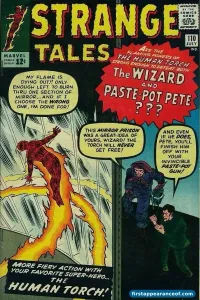
  3. Strange Tales #110 cover
    Doctor Strange July 1963

    Strange Tales #110

    By Stan Lee, Steve Ditko

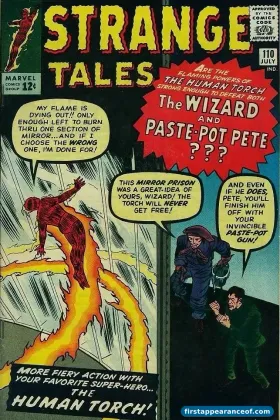
    With Stan Lee, Ditko co-created Doctor Strange as an eight-page back-up. The surreal interdimensional landscapes he drew for the feature are his most distinctive artwork and shaped the look of Marvel's mystic corner for decades.

    Read the full breakdown
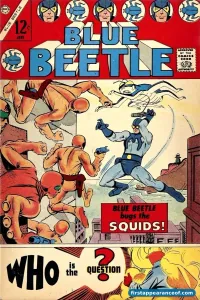
  4. Blue Beetle #1 cover
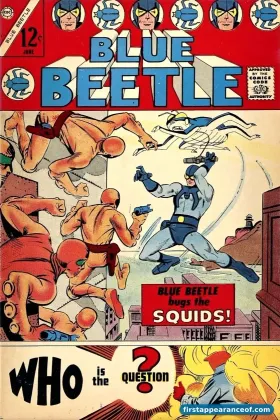
    The Question June 1967

    Blue Beetle #1

    By Steve Ditko

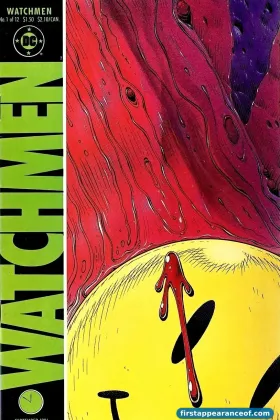
    After leaving Marvel in 1966, Ditko created the Question at Charlton, a faceless objectivist vigilante that became the template for Rorschach in Watchmen. He also created the uncompromising Mr. A for the indie Witzend the same year.

    Read the full breakdown

Who is Steve Ditko

Steve Ditko co-created Spider-Man, and unlike most co-creation credits, the split is easy to describe: Stan Lee wrote the words, Ditko designed and drew the character and most of his world. The mask, the web pattern, the unheroic build, Doctor Octopus, the Green Goblin, the surreal dimensions of Doctor Strange are all his. Born in 1927, he was a decade into a quiet career drawing romance and horror when Spider-Man made him, briefly, central to Marvel. Then he left, and spent the next fifty years avoiding the fame the work earned him.

He is the third point of the Lee-Kirby-Ditko triangle that built the early Marvel Universe, and the one who walked away from it.

First comic work: Daring Love #1

Ditko's first published story is "Paper Romance," a six-page feature in Daring Love #1 (October 1953) from Gillmor Magazines. It is romance, not superheroes; the early-1950s comics market ran on romance, crime, horror, and war, and that is where a young artist learned to tell a story in panels. A science-fiction piece he drew around the same time, "Stretching Things," reached print slightly later in Fantastic Fears #5 (1954).

The decade of anthology work matters to the later story. By the time he co-created Spider-Man, Ditko was a seasoned craftsman with a distinctive, slightly eerie style, not a newcomer who got lucky with one character.

Spider-Man, with Stan Lee

Amazing Fantasy #15 (August 1962) introduced Spider-Man, co-created by [Stan Lee](/creators/stan-lee/) and Ditko. Ditko's contribution was the design and, over time, the storytelling: the full-face mask that hid Peter Parker's age and let any reader project themselves onto him, the web-pattern costume, the deliberately un-muscular build. He drew the first 38 issues of The Amazing Spider-Man and co-created the bulk of the early rogues, [Doctor Octopus](/characters/doctor-octopus/), the [Green Goblin](/characters/green-goblin/), the Sandman, and the supporting cast around them.

By the later issues, the credit arrangement had quietly inverted: Ditko was plotting the book largely on his own, with Lee scripting dialogue over finished pages. That imbalance is the seed of his departure.

Doctor Strange, with Stan Lee

The same partnership produced [Doctor Strange](/characters/doctor-strange/) in Strange Tales #110 (July 1963), an eight-page back-up that grew into one of Marvel's signature properties. Ditko's interdimensional landscapes for the feature, floating geometries and impossible architecture, are the most visually adventurous work of the early Marvel era and defined the look of the company's magic corner for decades.

Leaving Marvel: the Question and Mr. A

In 1966, with Spider-Man among the best-selling comics in America, Ditko left Marvel. The reasons were creative direction and credit; he and Lee had reportedly stopped speaking, and Ditko walked rather than keep drawing a character whose plotting he was doing without the writing credit.

At Charlton he created the Question (1967), a faceless vigilante built on Ayn Rand’s objectivism, who became the direct model for Rorschach when Alan Moore wrote Watchmen. For the indie magazine Witzend he created Mr. A, an even more rigid expression of the same philosophy. Both are Ditko unfiltered by a collaborator or a corporate editor.

Steve Ditko’s Impact on Comics

Ditko is the clearest case in comics of design being authorship. Spider-Man works because of choices that were his alone: a hero whose face you never see, who is physically unimpressive, whose world looks slightly wrong. He is also the rare creator who treated credit as a matter of principle and acted on it, leaving the industry’s most valuable character rather than accept an arrangement he considered dishonest. The reclusiveness that followed, no interviews, no conventions, no photographs for decades, was part of the same stance. For collectors, a Ditko-drawn debut from 1962 to 1966 is among the most sought-after work of the Silver Age.
Frequently asked questions

The questions readers and collectors ask most.

What was Steve Ditko's first comic?

His first published story is 'Paper Romance,' a six-page romance feature in Daring Love #1 (October 1953) for Gillmor Magazines. He spent his early career in romance and horror anthologies, nearly a decade before co-creating Spider-Man.

Did Steve Ditko create Spider-Man?

He co-created Spider-Man with Stan Lee and is responsible for the character's entire visual design: the full-face mask, the web-pattern costume, the wiry non-heroic build. He drew the first 38 issues of The Amazing Spider-Man and co-created Doctor Octopus, the Green Goblin, and most of the early supporting cast. Lee scripted; Ditko designed and, increasingly, plotted.

Why did Steve Ditko leave Marvel?

Ditko left in 1966 at the peak of Spider-Man's success, over creative direction and credit. By his final issues he was plotting Amazing Spider-Man largely on his own while Lee received the writing credit, and the two reportedly stopped speaking. He never returned to the character.

What did Steve Ditko do after Marvel?

He created the Question for Charlton in 1967, a faceless objectivist vigilante who directly inspired Alan Moore's Rorschach in Watchmen, and the even more uncompromising Mr. A for the indie magazine Witzend. He spent the rest of his career on independent and work-for-hire art, increasingly devoted to Ayn Rand's objectivism, and avoided the spotlight entirely until his death in 2018.

Lore Steve Ditko is credited on

2 in the archive