Who are the Avengers
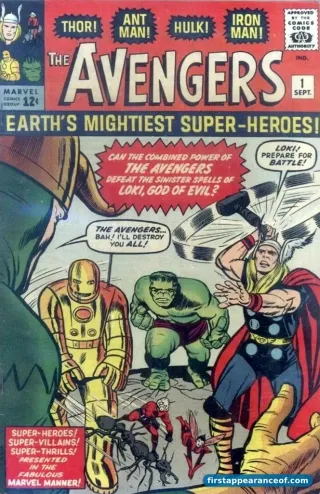
The Avengers are Marvel’s flagship team, Earth’s Mightiest Heroes, and the one team as defined by who has left it as by who is on it. They first assembled in The Avengers #1, cover-dated September 1963, by Stan Lee and Jack Kirby.
The constant is the turnover. No other team swaps members as often, and that revolving door is the idea: the Avengers are a banner, not a fixed roster, and who currently carries it changes every few years. The eras below track the lineup.
The founders (1963)
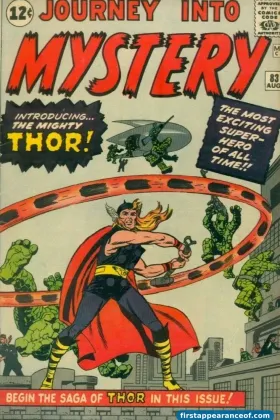
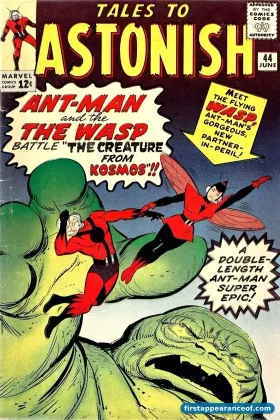
Roster: Iron Man, Thor, the Hulk, Ant-Man, and the Wasp.
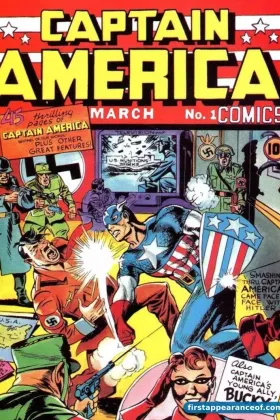
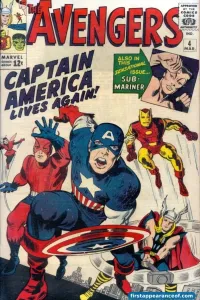
Loki, trying to frame the Hulk, drew five heroes into the same fight, and they decided to stay together. The Hulk did not last; he quit in the second issue, too unstable to take orders. The defining recruit arrived in issue #4 (1964), when the team pulled Captain America out of the North Atlantic ice, twenty years after World War II. Cap had been a Timely star in the 1940s; #4 restarted him for the modern age and made him the team’s anchor.
Cap’s Kooky Quartet (1965)
Roster: Captain America leads Hawkeye, Quicksilver, and the Scarlet Witch.
By issue #16, Lee and Kirby cleared the founders out and handed Cap three reformed antagonists. It was a gamble, a flagship book staffed by ex-villains, and it set the template the Avengers have run on since: the roster is disposable, the name is not. Every later shake-up is a variation on this issue.
The Bronze Age peaks (1970s)
Roster: an expanding cast, including the Vision (from 1968), the Scarlet Witch, and the Beast.
The 1970s gave the book its most-cited long-form stories. Roy Thomas’s Kree-Skrull War (#89 to #97, 1971 to 1972) turned the team loose on a galactic conflict; Jim Shooter and George Pérez’s Korvac Saga (#167 to #177, 1978) built to a single godlike antagonist and a bleak ending. This is the era that made the Avengers Marvel’s stage for big cosmic stories.
Disassembled and the New Avengers (2004)
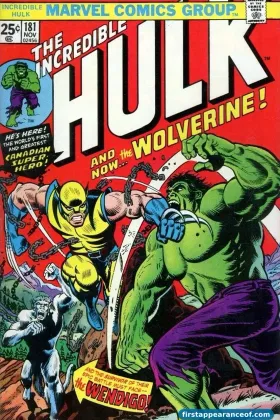
Roster: a new core, with Spider-Man, Wolverine, Luke Cage, and Spider-Woman alongside the mainstays.
Brian Michael Bendis broke up the team in Avengers Disassembled (2004), then rebuilt it in New Avengers with a lineup that would have been unthinkable earlier: Spider-Man and Wolverine, Marvel’s two biggest solo draws, on the same roster. The relaunch turned one Avengers book into a line of them, the model Marvel has used since.
The MCU era (2012 to now)
Roster: whoever the films and the current line need.
The 2012 film made the Avengers Marvel’s public face, and the comics have tracked the movies’ gravity since: the roster leans on the names audiences already know, and the team headlines the company’s biggest crossover events. The revolving door still turns; it just spins toward the screen now.
Notable issues
- The Avengers #1 (1963): first appearance of the Avengers.
- The Avengers #4 (1964): Captain America returns from the ice, his first Silver Age appearance. One of the most valuable Silver Age keys.
- The Avengers #16 (1965): the founders leave and Cap’s Kooky Quartet establishes the revolving-roster model.
- The Avengers #55 (1968): first full appearance of Ultron, after a disguised appearance in #54.
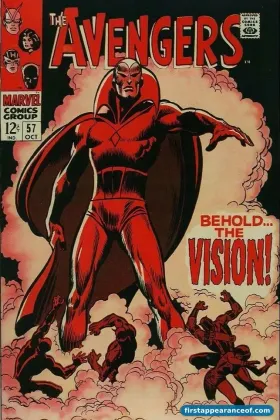
- The Avengers #57 (1968): first appearance of the Vision.
- The Avengers #89 to #97 (1971 to 1972): the Kree-Skrull War.
- The New Avengers #1 (2005): the post-Disassembled relaunch that turned the team into a line.
For collectors
The Avengers carry two top-tier keys, and they are close. The Avengers #1 (1963) is the first team. The Avengers #4 (1964) is the first Silver Age Captain America, and in many grades it trades at or above #1, because Cap’s return is the more sought event. After those, The Avengers #57 (1968), the Vision’s first appearance, is the run’s next most-tracked book.