Who is Kevin Eastman
Kevin Eastman co-created the Teenage Mutant Ninja Turtles, and the way he did it is the great self-publishing story in comics. No company, no backing, no track record: just two friends, a kitchen-table studio, and a $1,000 loan. The black-and-white one-shot they printed in 1984 became the most successful independent comic of its decade and the seed of a franchise worth billions. Born in 1962, Eastman was 21 and unknown when he drew it.
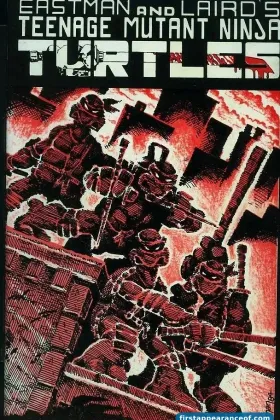
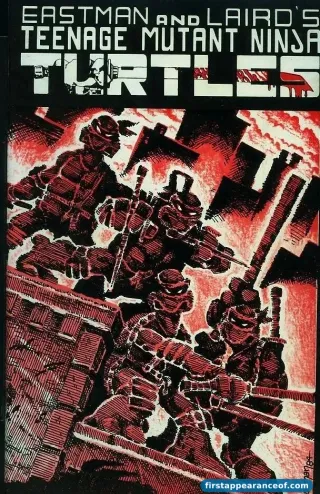
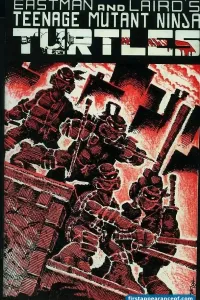
First comic: Teenage Mutant Ninja Turtles #1
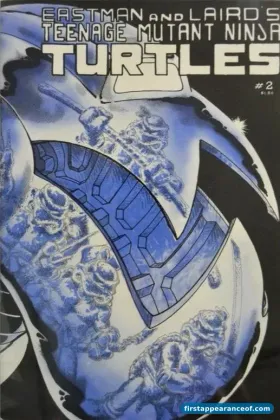
Eastman's first comic is also the only debut that matters for him: [Teenage Mutant Ninja Turtles](/groups/teenage-mutant-ninja-turtles/) #1 (May 1984), co-created with [Peter Laird](/creators/peter-laird/) and self-published through their Mirage Studios, a studio that existed only as a name on a couch-and-lap-board operation. They funded the print run with a $1,000 loan from Eastman's uncle Quentin, printed 3,275 copies, and debuted the oversized black-and-white book at a small convention in Portsmouth, New Hampshire.It sold out, went to additional printings, and the secondary-market price climbed fast, an early signal of how big the property would get.
The Turtles franchise
The comic began as a parody. Eastman and Laird were riffing on the dominant comics of 1983, Frank Miller's ninja-heavy Daredevil, the New Mutants, the grim tone of the era, and "Teenage Mutant Ninja Turtles" was the funniest collision of those trends they could draw. The joke turned into a phenomenon: the 1987 animated series, multiple film franchises, video games, and one of the most successful toy lines of all time. Eastman used the proceeds to buy Heavy Metal magazine and stayed involved with the Turtles for decades.Kevin Eastman’s Impact on Comics
Eastman is proof that the creator-owned model could beat the majors at their own game. Two unknowns with a $1,000 loan built a character set that out-earned most of what the big publishers produced in the 1980s, and they owned it. That example fed directly into the creator-rights energy that produced Image Comics in 1992. For collectors, TMNT #1 (1984) is the defining indie key of the decade, and its low 3,275-copy first print makes high-grade copies genuinely scarce.