Who are the Defenders
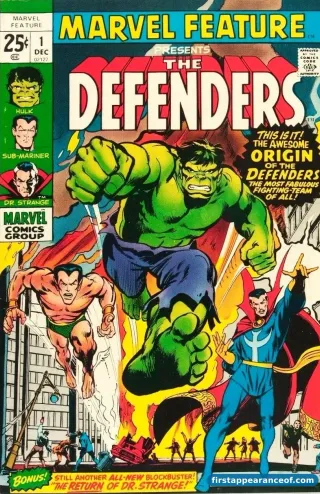
The Defenders are Marvel’s “non-team,” and the joke is load-bearing. They first appeared in Marvel Feature #1, cover-dated December 1971, by Roy Thomas and Ross Andru, built on a contradiction: a team of characters who do not do teams.
Where the Avengers have a roster and a mansion, the Defenders have neither. They are an alliance of convenience that forms when a threat is too big or too strange for anyone to handle alone, then dissolves. That looseness is the point, and it is why the lineup is the story.
The original alliance (1971)
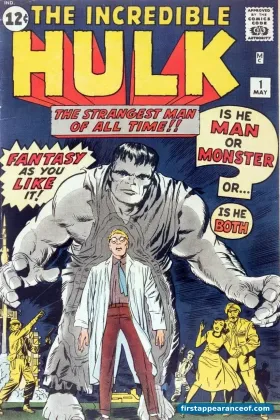
Roster: Doctor Strange, the Hulk, and the Sub-Mariner, soon joined by the Silver Surfer.
Thomas grouped Marvel’s hardest-to-write loners, a sorcerer, a monster, an undersea king, and let their mutual irritation carry the book. None of them wanted to be there, which made the team-ups feel earned rather than corporate. The trio got its own title, Defenders #1, in 1972.
The revolving membership (1970s onward)
Roster: a rotating cast, including Valkyrie, Nighthawk, the Hellcat, Hawkeye, and the Gargoyle.
Because there was no charter, almost anyone could pass through, and the book leaned into it. The Defenders became Marvel’s catch-all, the place mystic, monstrous, and second-tier characters could headline. The recurring gag of the “non-team” trying and failing to stay disbanded ran for years.
Later revivals
Roster: varies, from cosmic lineups to the street-level group the name was later lent to.
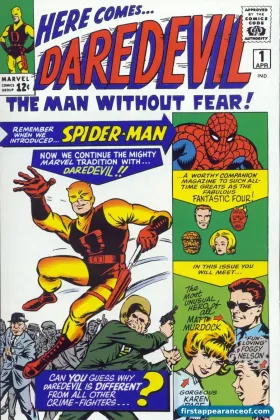
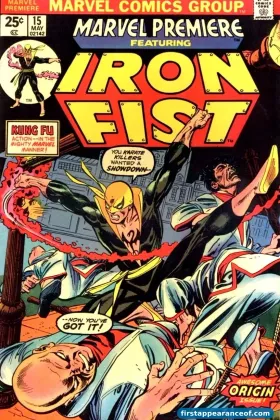
Marvel has relaunched the Defenders many times, sometimes as a mystic team close to the original, sometimes as something new. The 2017 Netflix series attached the name to a street-level group (Daredevil, Jessica Jones, Luke Cage, Iron Fist) that shares the brand but not the original premise.
Notable issues
- Marvel Feature #1 (1971): first appearance of the Defenders.
- Defenders #1 (1972): the team’s first ongoing title.
For collectors
The key is Marvel Feature #1 (1971), the first appearance. Defenders #1 (1972) is the secondary key as the first issue of the ongoing. The Defenders’ collector value tracks the individual debuts that happened inside the run more than the team issues themselves.